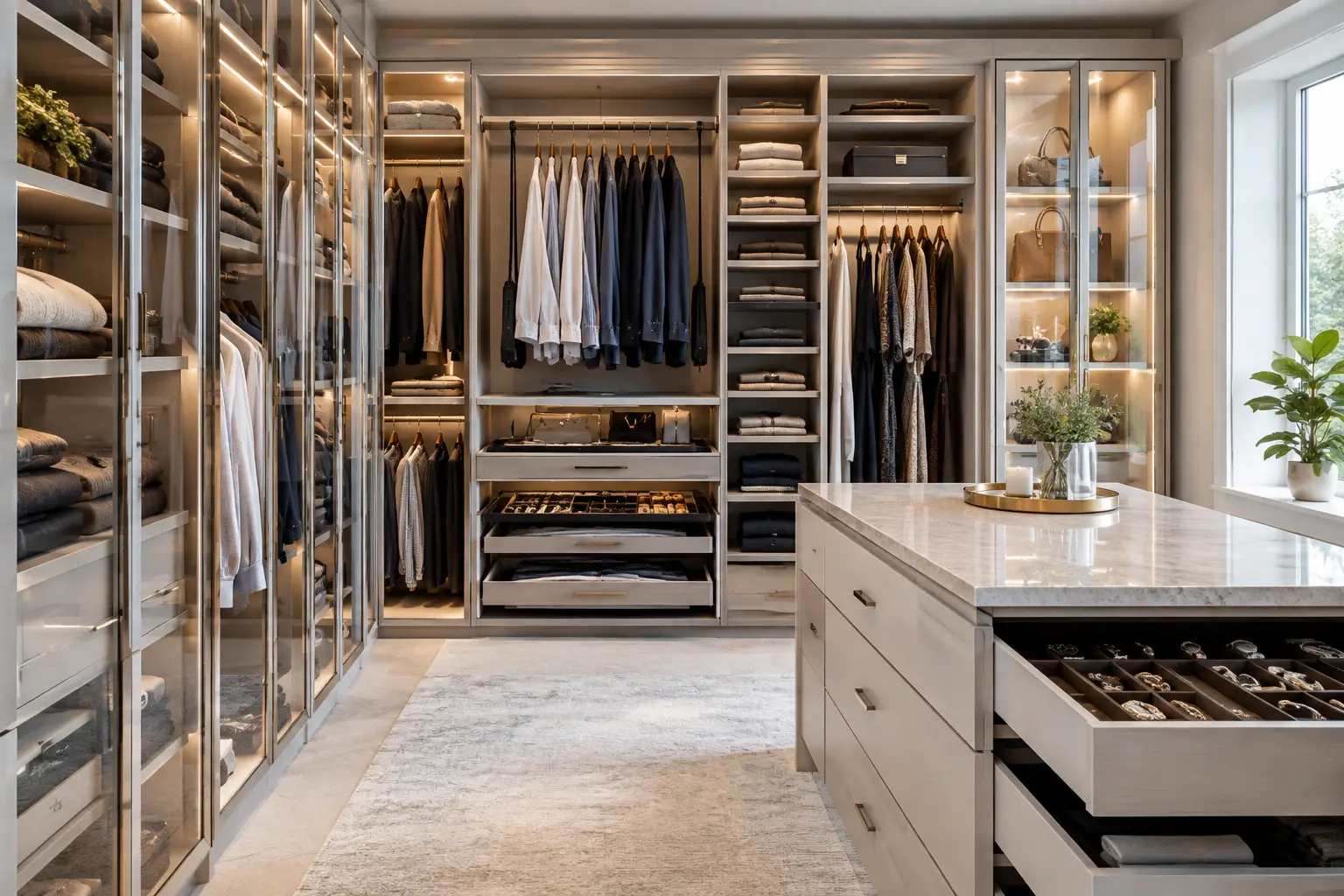
A garage can hold far more than vehicles, yet it often becomes the place where every unfinished decision lands: seasonal décor, sports gear, tools, bulk purchases, donation bags, and boxes that have not been opened in years. The right storage systems change that pattern. Instead of asking where something might fit, you create a home where every category has a clear, accessible place.
For homeowners who value both order and design, the goal is not simply to add more shelves. It is to make the room work better for the way your household actually moves through it. That means considering what comes in and out every week, what needs to be within reach, what can be stored overhead, and how the finished space should feel when you open the door.
What Custom Storage Systems Should Solve
Good storage is not measured by how much can be packed into a room. It is measured by how easily the room supports daily life. A well-planned garage should make it easier to load the car, find a drill, put away bicycles, and come home with groceries without stepping around clutter. A walk-in closet should reduce the friction of getting ready, not hide it behind crowded racks and hard-to-reach shelves.
Custom storage systems are designed around those real routines. They use the full height, width, and layout of a space while preserving visual calm. Floor-to-ceiling cabinets can conceal the items that create the most noise. Slatwall and specialized hooks can keep frequently used gear visible but orderly. Overhead storage can reserve valuable floor area for vehicles, work zones, or simply room to move.
The difference is intentionality. Off-the-shelf units may help temporarily, but they are built for an average wall and an average household. Your home is neither. A tailored plan accounts for awkward corners, utility access, parking clearance, family hobbies, changing storage needs, and the level of finish you want throughout the space.
Start With How You Use the Space
Before choosing cabinets, shelving, or wall storage, take a close look at what the room needs to do. This is where homeowners often discover that a storage problem is really a planning problem.
In a garage, the first question is usually about zones. One area may need to support tools and home projects. Another may need to hold gardening supplies, pool equipment, or children’s sports gear. A family that cycles every weekend needs a different approach than a household with a large collection of holiday décor or a homeowner who wants a clean workspace for automotive projects.
Closets require the same level of honesty. Think beyond clothing volume and consider how you get dressed. Do you need more hanging space for long garments, a dedicated section for shoes, drawers for accessories, or shelves that make folded items easy to see? The best design supports your habits without requiring a complicated system to maintain.
It also helps to plan for what is likely to change. Children grow, hobbies shift, and households accumulate equipment over time. Flexible wall storage, adjustable shelving, and thoughtfully sized cabinet interiors can help a space remain useful long after installation day.
The Right Mix of Concealed and Open Storage
A refined storage plan usually balances what you want to see with what you would rather put away. Both have a role.
Closed cabinetry is ideal for visual order. It keeps chemicals, tools, paper goods, cleaning supplies, and miscellaneous household items protected from dust and out of sight. In a garage, steel cabinets create a polished, architectural look while providing durable storage for heavier, less attractive essentials. They can also make cleaning easier because fewer items are sitting on the floor or stacked in exposed bins.
Open storage is most effective for the things you use regularly. Wall-mounted solutions make it easier to grab a helmet, rake, extension cord, or folding chair and return it to the same place afterward. The key is to avoid turning every wall into an open display. Too much exposed storage can make even an organized room feel busy.
Overhead storage works best for seasonal or occasional items: luggage, holiday bins, camping equipment, and keepsakes that do not need weekly access. It is a smart way to reclaim floor space, but it should not become a permanent home for items you need to retrieve often. Convenience matters as much as capacity.
Why Professional Design Makes a Visible Difference
A beautiful storage system begins well before installation. It begins with measurements, questions, and a clear understanding of the finished room. Professional design brings structure to decisions that can otherwise feel overwhelming: cabinet placement, shelf heights, door swings, clearances, traffic flow, and the storage needs you may not have considered.
A 3D design presentation is especially valuable because it turns an abstract idea into a plan you can evaluate. You can see whether the cabinet layout leaves appropriate room for vehicles, whether wall storage is positioned at a practical height, and whether the space has the balanced, elevated look you want. Adjustments are easier to make before materials are installed.
Professional installation matters just as much. Garage walls, ceiling structures, floors, and existing utilities all require careful attention. Storage that is secured correctly, aligned precisely, and fitted to the room feels more permanent because it is. It is not a collection of pieces added over time. It is a finished environment designed to support your home.
For Dallas-Fort Worth homeowners, this level of planning is particularly useful in garages that must work hard year-round, serving as storage, a project zone, a transition point, and often an extension of the home itself.
Design Details That Keep Storage Easy to Maintain
Even the most generous storage capacity will not help if the system is difficult to use. Maintenance should be built into the design from the beginning.
Place everyday items between knee and shoulder height whenever possible. Keep heavier bins lower, and reserve the highest shelves for lighter, infrequently used belongings. Group items by activity rather than by whatever happened to fit in a nearby corner. For example, keep car-care supplies together, place gardening tools near the garage door or exterior access point, and assign one clear area for each person’s sports equipment.
Cabinet interiors deserve as much thought as cabinet exteriors. A tall cabinet may be perfect for brooms and long-handled tools, while shallow drawers can prevent small hardware, batteries, and accessories from disappearing into deep bins. In closets, drawers, pull-out accessories, and dedicated shoe storage can reduce visual clutter and make mornings feel less rushed.
There is also a simple rule worth following: do not design around excess. If an item no longer serves your household, storage should not make it easier to keep indefinitely. Editing before installation allows the new system to feel generous rather than immediately full.
Storage as a Home Investment
Organization is often treated as a finishing touch, but it can change how a home is experienced every day. A garage that is clean, functional, and visually coherent can become a point of pride rather than a door you close quickly. A closet designed around your routine can create a calmer start to the day.
This is why custom solutions feel different from a weekend storage purchase. They are an investment in usable square footage, reduced daily friction, and a home that reflects the care you put into it. The practical value is clear, but the emotional benefit matters too: more room to breathe, less time searching, and fewer small frustrations competing for your attention.
At Orga Spaces, the process is designed to take a vision from consultation through tailored design and premium installation, so the finished space feels considered from every angle. The best place to begin is not with a cabinet style or a shelf count. Begin with the life you want the room to support, then create storage that makes that life easier to maintain.