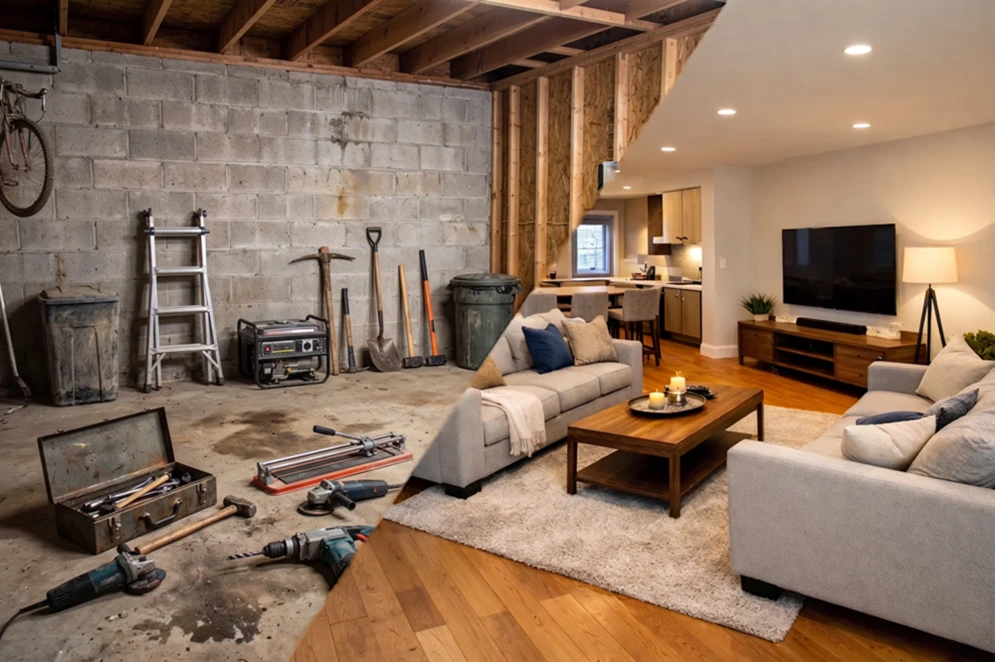
That crowded garage may be holding more than holiday bins and sports gear. For many homeowners, it is the last underused square footage in the house – and the first place they look when they need a home office, guest suite, gym, studio, or family flex room. So, can garage become living space? Yes, but the smarter question is whether it can become comfortable, compliant, and genuinely useful for the way you live.
A garage conversion can add daily function without the cost and disruption of a full addition. It can also create new problems if the project is approached as a quick cosmetic update. A painted wall and a sofa do not make a garage feel like part of the home. The difference comes down to planning, storage, insulation, lighting, and how intentionally the space is designed from the start.
Can garage become living space in a way that feels finished?
It can, but only when you address what makes a garage different from the rest of the house. Garages are built for vehicles and storage, not year-round comfort. The slab may sit lower than the interior floor. The walls may be unfinished. The ceiling height, garage door, ventilation, and temperature swings can all affect how livable the room feels.
That is why the best conversions start with function, not finishes. Before choosing flooring or paint colours, decide what the room needs to do every day. A private office has very different requirements from a teen hangout or an in-law suite. If you want the converted garage to feel refined and natural, every design choice needs to support that purpose.
A well-planned conversion should feel intentional, not improvised. When done right, it becomes part of the home’s rhythm rather than a leftover space with furniture in it.
Start with rules, permits, and resale realities
Before getting attached to a layout, check local zoning, building codes, and permit requirements. This matters more than many homeowners expect. In some municipalities, converting a garage to habitable space may require specific ceiling heights, insulation values, egress windows, electrical upgrades, or off-street parking accommodations.
It also has resale implications. In some neighbourhoods, removing enclosed parking can reduce appeal, especially where driveways are limited or street parking is tight. In others, a high-quality flex room adds more value than a garage that mainly stores clutter. It depends on your lot, your home’s size, and what buyers in your area tend to prioritize.
This is where a measured approach pays off. If your household needs more living space now, that benefit may outweigh every other factor. But if resale is top of mind, it is worth thinking beyond the current moment. The strongest projects balance immediate lifestyle gains with long-term practicality.
Comfort is what makes the conversion work
The biggest reason garage conversions disappoint is simple: they do not feel good to be in. The room may look fresh in photos, but if it is hot in summer, chilly in winter, dim at night, or echoey during the day, it will never become fully integrated into daily life.
Insulation is usually the first major upgrade. Walls, ceiling, and sometimes the garage door itself need attention. Heating and cooling matter just as much. Extending existing HVAC may work, but not always. Depending on the layout, a ductless system can be a cleaner solution.
Flooring is another critical decision. A garage slab is durable, but that does not automatically make it comfortable or visually warm. If the slab has cracks, moisture issues, or an uneven transition to the house, those need to be addressed before the room is finished. The goal is not just to cover the floor – it is to create a foundation that supports the feel of a proper interior space.
Lighting also changes everything. Garages often rely on a single overhead fixture, which is never enough for a living area. Layered lighting, with ambient, task, and accent sources, makes the space feel calmer, more polished, and far more usable.
Storage does not disappear just because the garage changes
One of the most overlooked parts of this decision is what happens to everything currently living in the garage. If you convert the entire space without solving storage elsewhere, you risk moving clutter into the house, the attic, or the backyard. That usually creates friction quickly.
This is why many of the most successful projects are not all-or-nothing conversions. Instead of treating the garage as either parking or living space, homeowners can carve out zones. One portion becomes a refined, functional room, while another is upgraded with custom cabinetry, wall storage, or overhead systems that keep practical items contained and easy to access.
That hybrid approach often delivers the best of both worlds. You reclaim square footage for daily living without losing control of tools, seasonal bins, sports equipment, and household overflow. It also makes the final result feel more thoughtful. A home works better when every item has a place, especially after a renovation.
For households that want a polished outcome, custom storage is not an add-on. It is part of the architecture of the room.
The best use depends on how your home already falls short
A garage conversion works best when it solves a real pressure point in the home. If your kitchen and living areas already carry too many roles, a garage can become the quiet room you are missing. For some families, that means a home office with acoustic privacy and built-in storage. For others, it means a guest room, a fitness space, a media room, or a flexible retreat for older kids.
The key is honesty. A room that is only used twice a year will not justify the investment the way a space used every single day will. Multi-use planning often makes the most sense. A custom wall system, integrated cabinetry, concealed storage, and furniture scaled to the room can allow one space to shift between work, wellness, entertainment, and occasional overnight use.
This is where design sophistication matters. Good design is not about adding more. It is about making one room perform beautifully in several ways without looking crowded or temporary.
What homeowners often underestimate
Budget is one factor, but not the only one. Homeowners often underestimate transitions. How the garage connects to the rest of the house matters visually and functionally. If the doorway feels abrupt, the floor height is awkward, or the finishes clash with adjacent rooms, the conversion can feel separate from the home even when technically complete.
They also underestimate sound. Garages can echo, and exterior-facing walls or doors may transmit more noise than interior rooms. Soft finishes, insulation, and the right construction details can dramatically improve the experience.
Then there is natural light. If the space depends entirely on artificial lighting, it may feel flat. Adding windows where possible, selecting the right door strategy, and using finishes that reflect light can make the room feel larger and calmer.
The point is not that garage conversions are too complicated to pursue. It is that they deserve the same level of planning as any other high-value interior renovation.
A design-first approach creates a better result
The most successful garage transformations begin with a clear vision of how the room should support daily life. That includes layout, storage, materials, lighting, and how the space should feel when you walk in. A design-first process helps prevent expensive revisions later and makes it easier to decide what should stay, what should go, and what the room truly needs.
For premium homeowners, that process matters. You are not simply adding square footage. You are refining the way your home functions. A garage can become a productive workspace, a beautiful retreat, or a flexible extension of the house – but only if the design respects both performance and aesthetics.
In many cases, the strongest outcome is not a total reinvention. It is a thoughtful transformation that blends livable comfort with elegant organization. That is especially true when the garage still needs to support some level of household storage. A custom plan can make the space feel elevated without sacrificing utility.
For homeowners in the Dallas-Fort Worth area who want that kind of intentional result, Orga Spaces helps transform underused garages into tailored, high-function spaces with custom design and professional installation.
If you are asking whether your garage can become living space, the answer is probably yes. The better question is whether it can become space you will love using every day. When the plan is grounded in comfort, storage, and design, that answer becomes much more interesting.